
When to Plant Cucumbers in Kentucky: Earliest and Latest Dates by Region
One Kentucky calendar, one crop: cucumbers, with the source’s dates left as printed and NOAA frost dates for Louisville International Airport, Lexington Bluegrass Airport, and Bowling Green Warren County Airport.
Updated
Figures checked against their sources on ; next check .
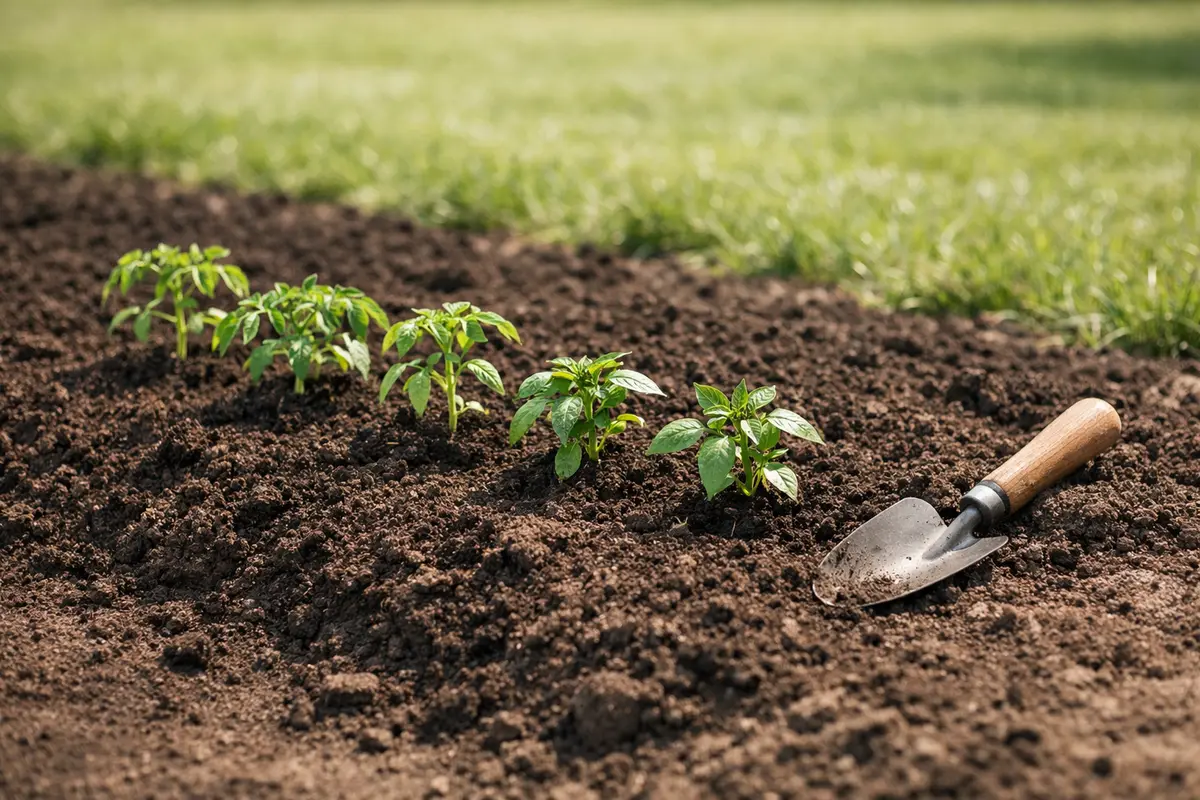
Kentucky is covered by University of Kentucky Cooperative Extension’s own table, and cucumbers sit in it as a separate row for 3 regions. Reading down the first date column, Western Kentucky leads at April 20 and Eastern Kentucky trails at May 10.
What University of Kentucky Cooperative Extension prints for cucumbers
Kentucky’s own transplant table, Table 20.6, lists cucumber at 3-4 weeks from seeding to transplanting and an average seedling date of April 1.
| Region | Earliest safe planting date | Latest safe planting date |
|---|---|---|
| Western Kentucky | Apr 20 | July 15 |
| Central Kentucky | May 1 | July 1 |
| Eastern Kentucky | May 10 | June 15 |
How the Kentucky calendar is built
The University of Kentucky’s home vegetable gardening chapter gives each crop an earliest and a latest safe planting date for Western, Central and Eastern Kentucky. For transplants you grow yourself, the table’s heading says to begin two to 12 weeks earlier than the listed dates, and it points to the chapter’s transplant production table.
Starting cucumbers indoors
Indoor sowing is the one part of the job no state table above settles. The University of New Hampshire gives 3 to 4 weeks between sowing and transplanting.
Of the saved sources, one gives weeks for cucumbers (UNH) and one gives a handling tip (Minnesota).
In the garden itself, UNH sows cucumbers once the soil reaches 70 °F, which a soil thermometer answers better than any calendar.
| Source | What it says |
|---|---|
| University of New Hampshire | 3 to 4 weeks from seed to transplant; 1 to 2 weeks after the last frost is safe to set out |
| University of Minnesota | Cucumbers and squash transplant poorly, so raise them in fiber or paper pots that break down in the soil |
Where the frost dates fall in Kentucky
A 50% frost date is a coin flip, not a promise. In half of the years the last spring freeze comes later than the date shown, and in half of them the first fall freeze comes earlier.
University of Kentucky Cooperative Extension does not say which of its regions each city falls in, so the table does not guess.
| Station | Last spring 32°F | First fall 32°F | Region in the calendar |
|---|---|---|---|
| Louisville International Airport, Kentucky | March 31 | November 7 | Not stated by the source |
| Lexington Bluegrass Airport, Kentucky | April 13 | October 28 | Not stated by the source |
| Bowling Green Warren County Airport, Kentucky | April 5 | October 31 | Not stated by the source |
| London Corbin Airport, Kentucky | April 15 | October 25 | Not stated by the source |
Worked example
Take Bowling Green Warren County Airport, Kentucky. NOAA’s 1991-2020 normals put the 50% last spring 32°F night on April 5 and the 50% first fall one on October 31.
The calendar does not say which region Bowling Green Warren County Airport belongs to, so set the date against the rows at each end. Western Kentucky opens April 20, 15 days after that date; Eastern Kentucky opens May 10, 35 days after it.
On the fall side, Eastern Kentucky’s last planting date of June 15 leaves 138 days before the October 31 median first freeze.
None of this predicts next spring. It only lines up two published sets of dates; swap in your own station from the frost dates tool and the same steps apply.
Before you rely on these dates
The chapter says its planting dates are approximate and should be adjusted to local weather.
Weather in the week of planting matters more than the printed date; use it to nudge the start earlier or later.
Sources (4)
- University of Kentucky Cooperative Extension Service (editor Richard Durham), Home Vegetable Gardening in Kentucky, ID-128, revised January 2024 publications.mgcafe.uky.edu
- NOAA National Centers for Environmental Information, U.S. Climate Normals 1991-2020, annual and seasonal normals (frost/freeze probabilities by station) ncei.noaa.gov
- University of New Hampshire Cooperative Extension, Growing Vegetables: When to Plant Your Vegetable Garden (fact sheet) extension.unh.edu
- University of Minnesota Extension, Starting seeds indoors (page reviewed 2026) extension.umn.edu