
When to Plant Summer Squash and Zucchini in North Carolina: Spring and Fall Windows for Central NC
What North Carolina’s extension calendar says about summer squash, copied region by region, plus the frost record at Raleigh Durham International Airport, Piedmont Triad International Airport, and Charlotte Douglas Airport.
Updated
Figures checked against their sources on ; next check .
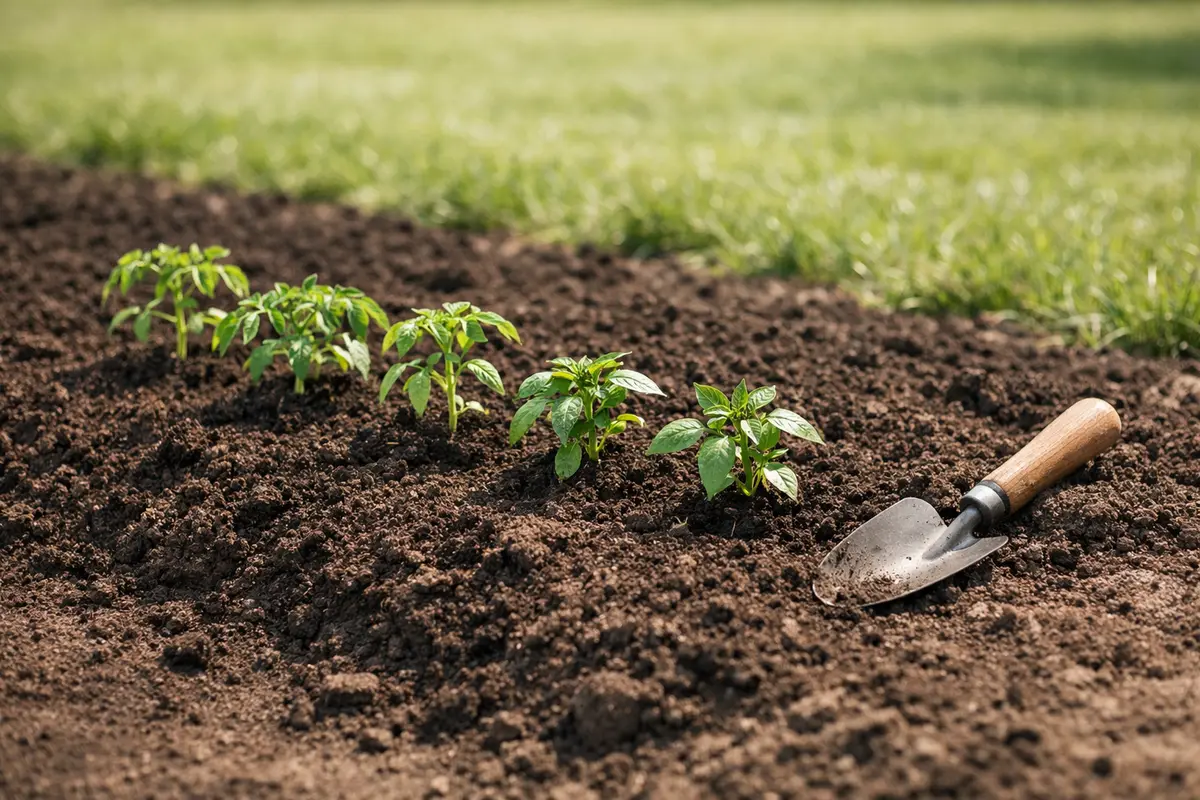
NC State Extension gives summer squash their own row under the heading “Squash, summer”, with dates for 1 part of the state. The source gives months or relative shifts rather than calendar days; in order, Central North Carolina (Apr 1 to Aug 1 (seed or transplant)).
What NC State Extension prints for summer squash
Nothing in the table has been rounded or reworded.
| Part of the state | Spring windows | Fall windows |
|---|---|---|
| Central North Carolina | Apr 1 to Aug 1 (seed or transplant) | — |
How the North Carolina calendar is built
NC State’s calendar is written for central North Carolina and sets each crop’s windows on a chart of half-month columns, marking each column S for seed or T for transplants. It says the dates are suggested guidelines that should give the highest probability of success, and that plants established in the middle of the recommended dates will do best.
Starting summer squash indoors
Indoor sowing is the one part of the job no state table above settles. The University of New Hampshire gives 3 to 4 weeks between sowing and transplanting.
Only UNH puts a number of weeks on summer squash; the Minnesota row in the table is a handling tip, not a schedule.
In the garden itself, UNH sows summer squash once the soil reaches 70 °F, which a soil thermometer answers better than any calendar.
| Source | What it says |
|---|---|
| University of New Hampshire | 3 to 4 weeks from seed to transplant; 2 weeks after the last frost is safe to set out |
| University of Minnesota | Cucumbers and squash transplant poorly, so raise them in fiber or paper pots that break down in the soil |
Typical frost dates at North Carolina stations
A 50% frost date is a coin flip, not a promise. In half of the years the last spring freeze comes later than the date shown, and in half of them the first fall freeze comes earlier.
Regions in the last column come from the source’s wording, never from our reading of a map.
| Station | Last spring 32°F | First fall 32°F | Region in North Carolina’s calendar |
|---|---|---|---|
| Raleigh Durham International Airport, North Carolina | March 31 | November 4 | Central North Carolina |
| Piedmont Triad International Airport, North Carolina | March 30 | November 5 | Central North Carolina |
| Charlotte Douglas Airport, North Carolina | March 30 | November 3 | Central North Carolina |
| Fayetteville Regional Airport, North Carolina | March 22 | November 13 | Central North Carolina |
| Asheville Regional Airport, North Carolina | April 9 | October 28 | Not stated by the source |
Worked example
For a gardener near Fayetteville Regional Airport, NOAA’s even-odds frost dates are March 22 in spring and November 13 in fall.
Central North Carolina lists April 1 to August 1. Counting from the frost date, that is an opening 10 days after it and a close 132 days after it.
This is arithmetic on two printed figures, not a forecast: it moves with the year, and your own garden can sit weeks away from the station. Look up the station nearest you in the frost dates tool and repeat the subtraction.
Before you rely on these dates
The calendar is for central North Carolina only; the mountains and the coast run earlier or later, and the page gives no dates for them.
Pencil the printed dates into a calendar, then adjust them after you have watched your own garden for a season.
Sources (4)
- NC State Extension (Bradley, Gunter, Sherk and Driscoll), Central North Carolina Planting Calendar for Annual Vegetables, Fruits, and Herbs, AG-756-01, published July 8, 2016 content.ces.ncsu.edu
- NOAA National Centers for Environmental Information, U.S. Climate Normals 1991-2020, annual and seasonal normals (frost/freeze probabilities by station) ncei.noaa.gov
- University of New Hampshire Cooperative Extension, Growing Vegetables: When to Plant Your Vegetable Garden (fact sheet) extension.unh.edu
- University of Minnesota Extension, Starting seeds indoors (page reviewed 2026) extension.umn.edu